Fuel Gas Supply System
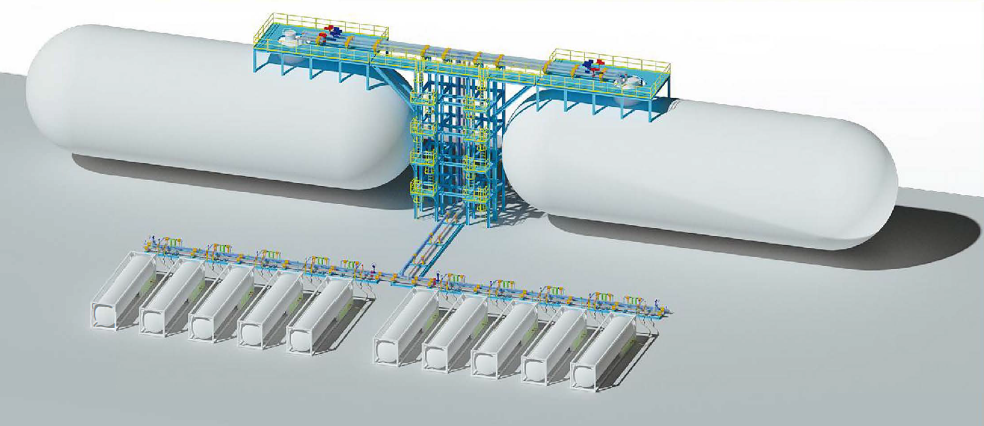
LNG C-MAX is our trading mark for LNG Fuel Gas Supply System (FGSS) Based on the team’s vast experience in the oil and gas process engineering, our company always striving to provide the tailor-made FGSS system to different type of engines in the principle of “Simple but Reliable” so as to help the shipowner to significantly reduce both their Capex and Opex in an environmentally friendly ship propulsion design.
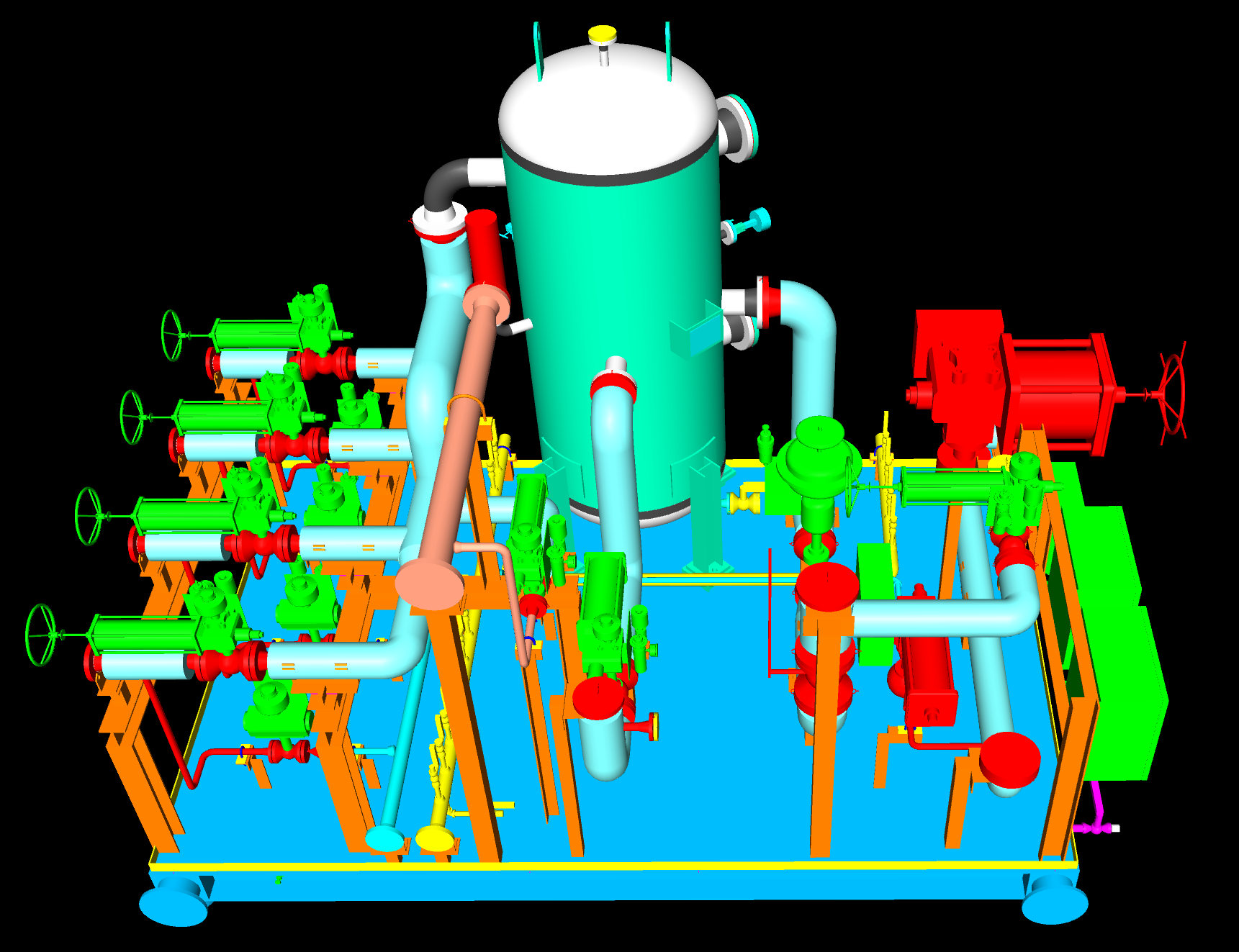
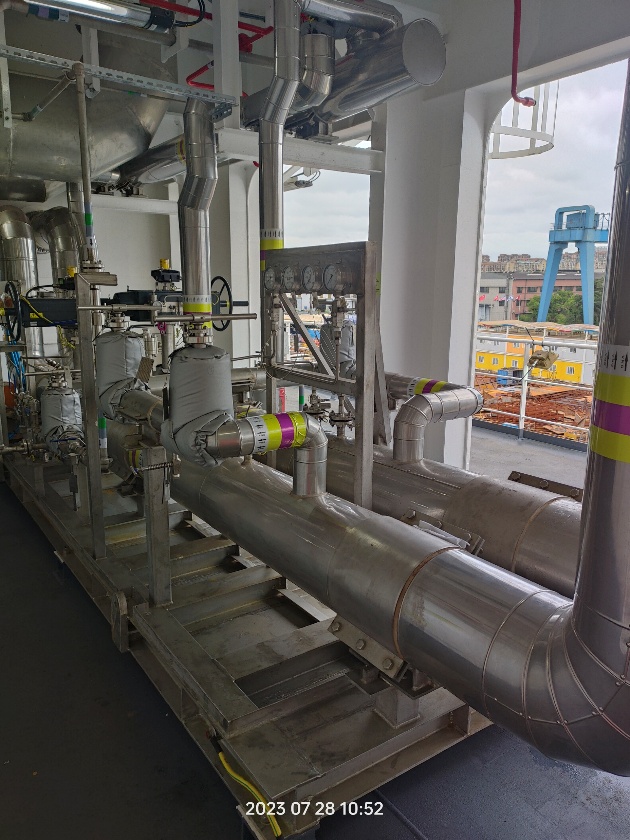
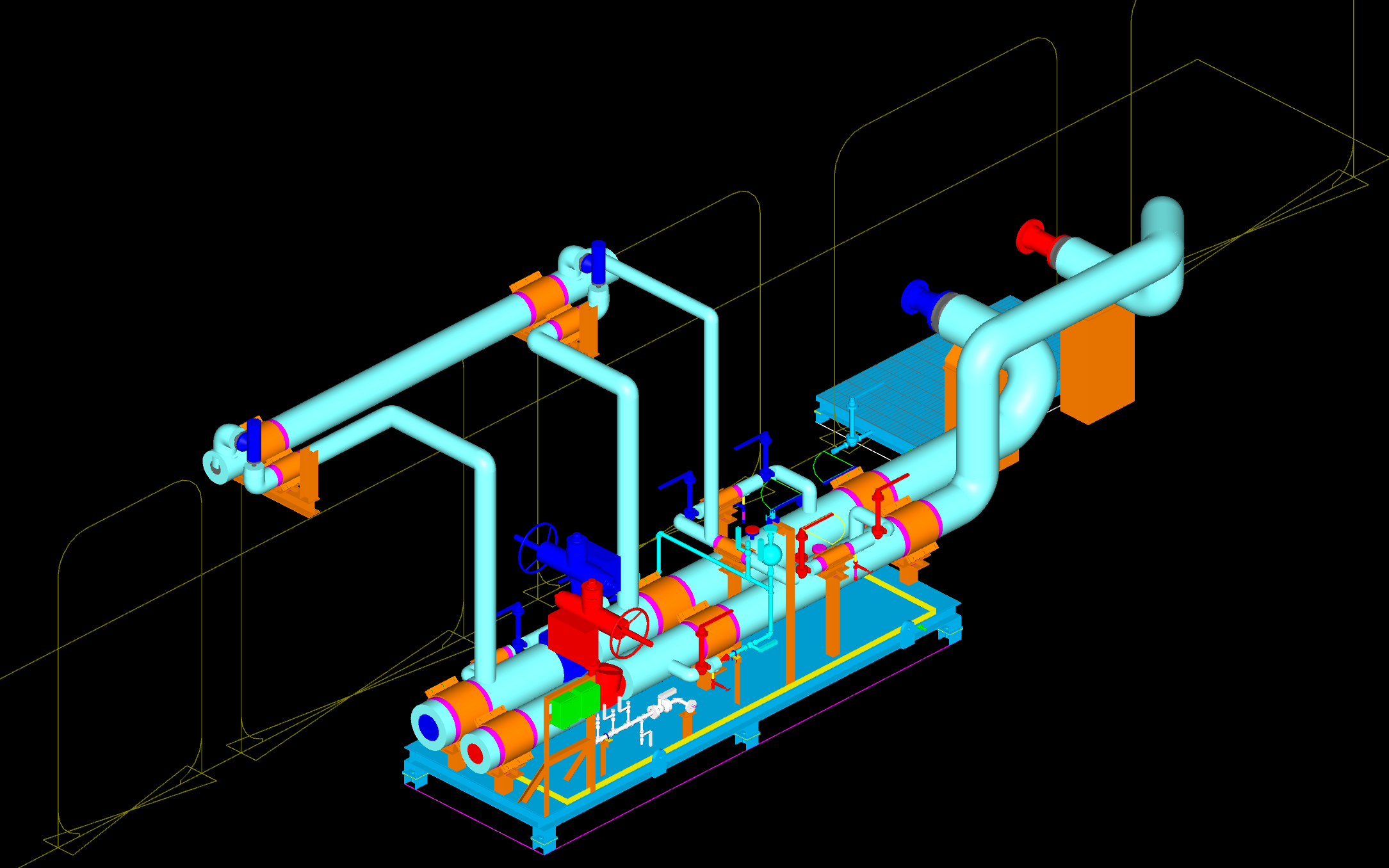
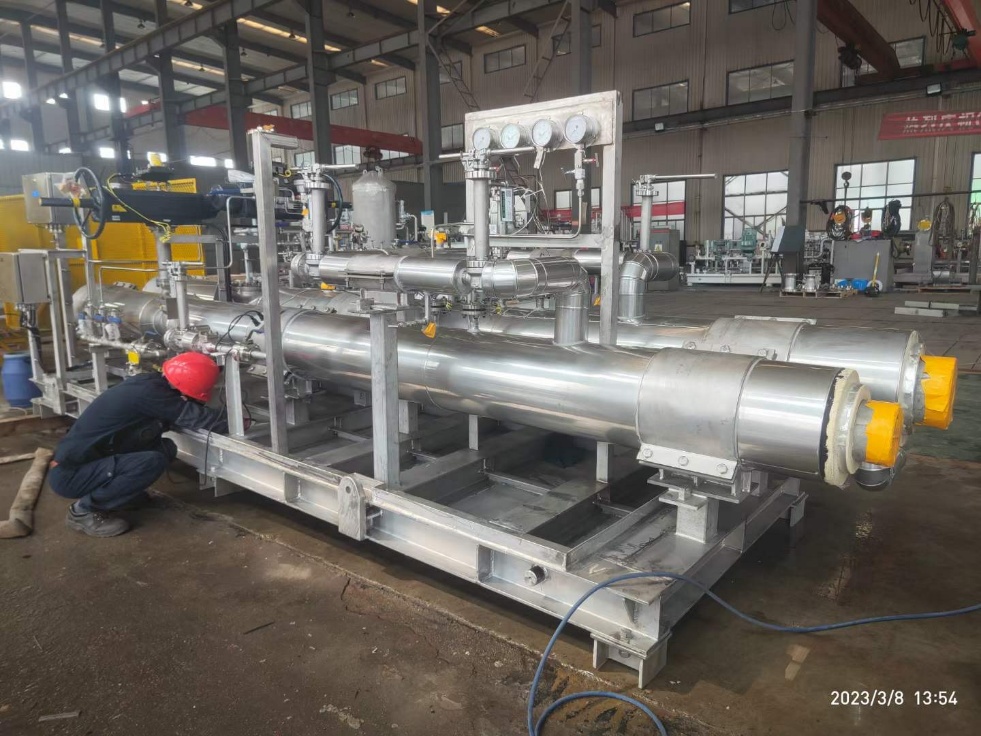
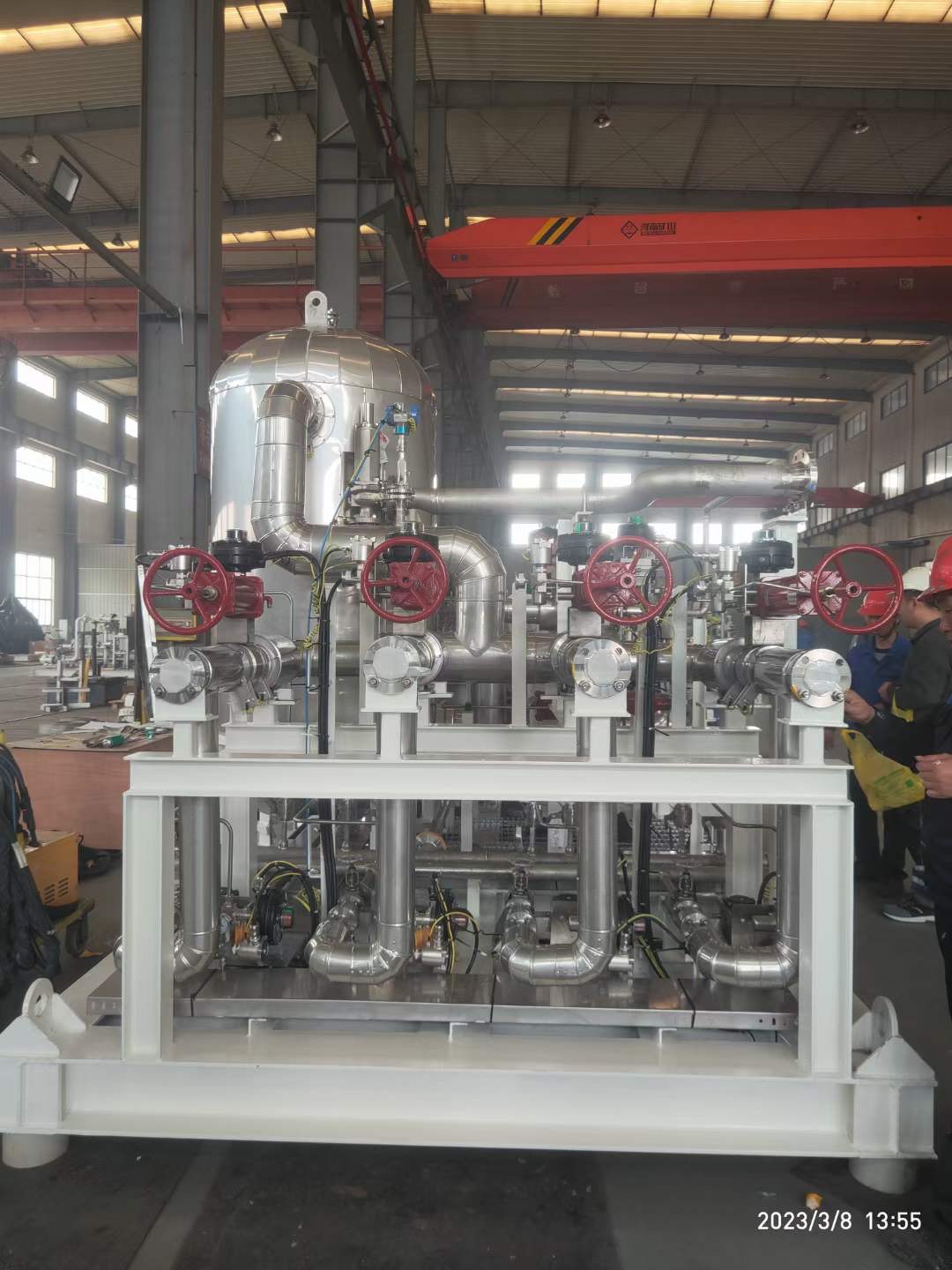
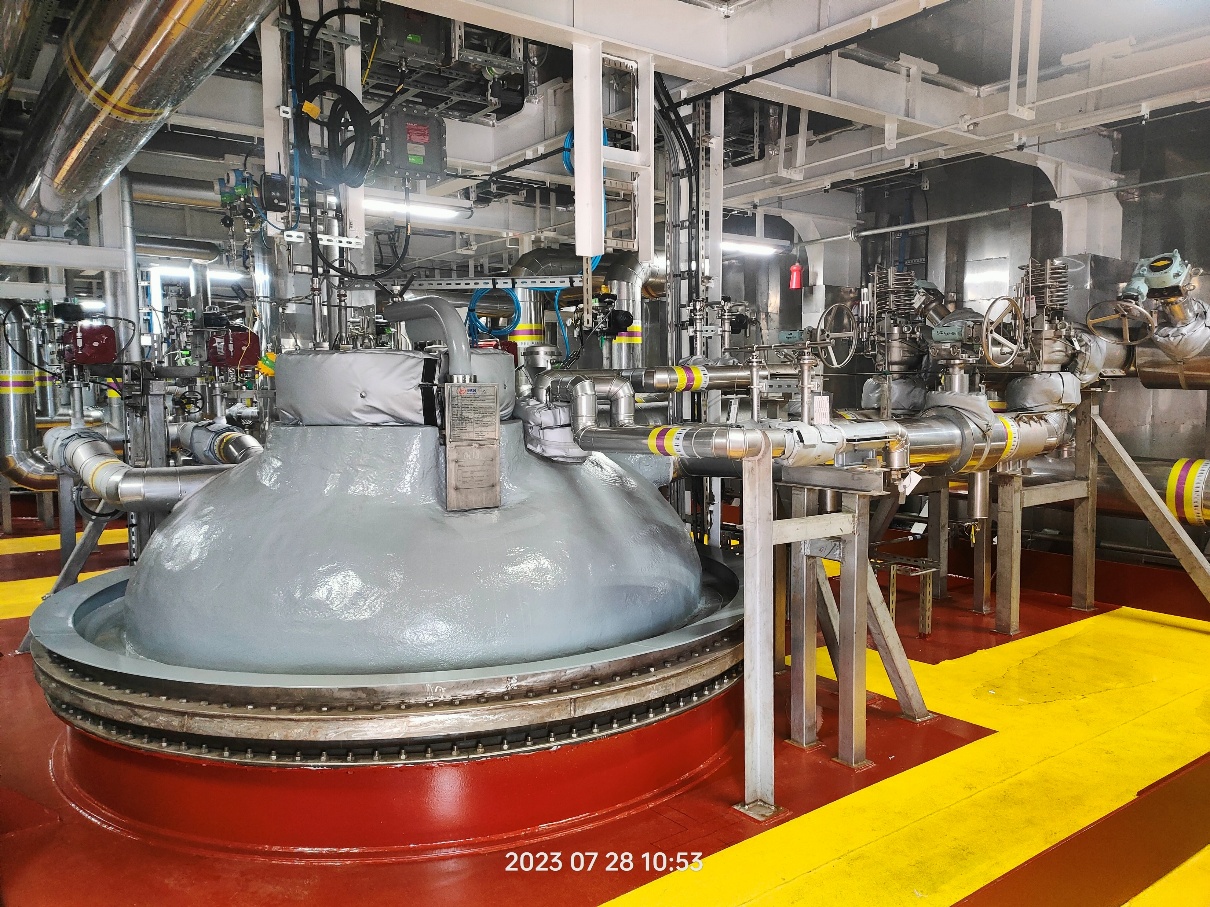
FGSS Skids:
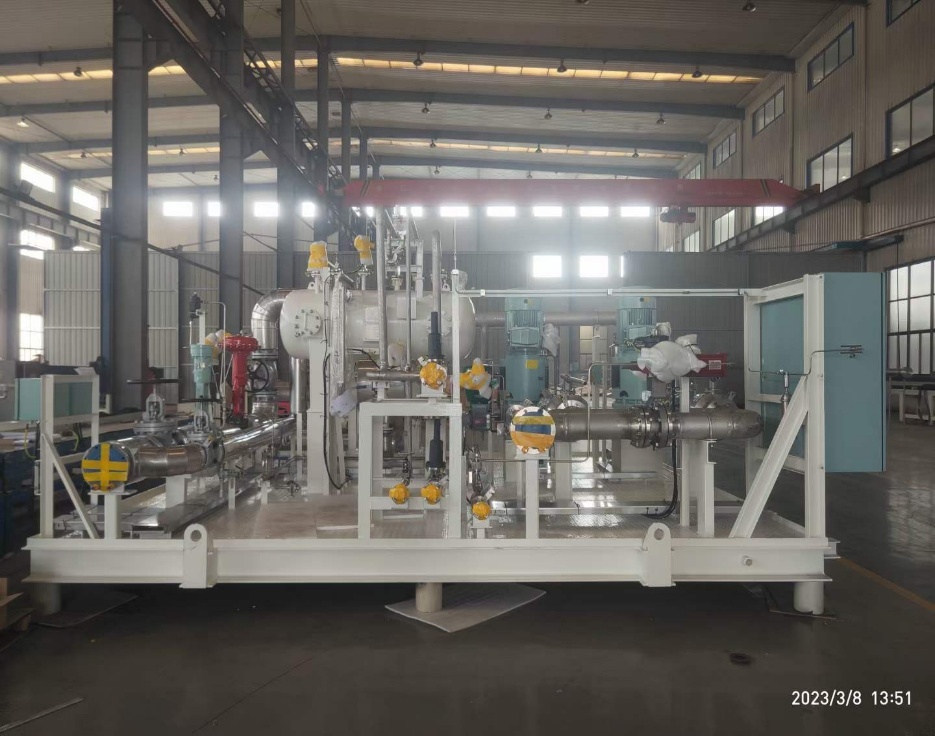
Vaporizer
The Vaporizer is a critical component in the LNG regasification process, responsible for converting liquefied natural gas (LNG) from its cryogenic liquid state (-162°C) back into natural gas vapor for distribution and end-use. Utilizing a controlled heat exchange process, the vaporizer safely and efficiently raises the temperature of the LNG, ensuring a stable and continuous gas supply. Engineered for reliability and performance, this equipment is built to withstand demanding operating conditions while maintaining strict safety and efficiency standards.
Glycol Water
The Glycol Water System provides essential thermal support to the vaporization process by supplying a heated glycol-water mixture as the intermediate heat transfer medium. This closed-loop system circulates the glycol-water solution to deliver consistent thermal energy, preventing freezing and ensuring smooth, uninterrupted operation of the vaporizer. Designed with efficiency and durability in mind, the system plays a key role in maintaining stable process temperatures across varying ambient and operational conditions.
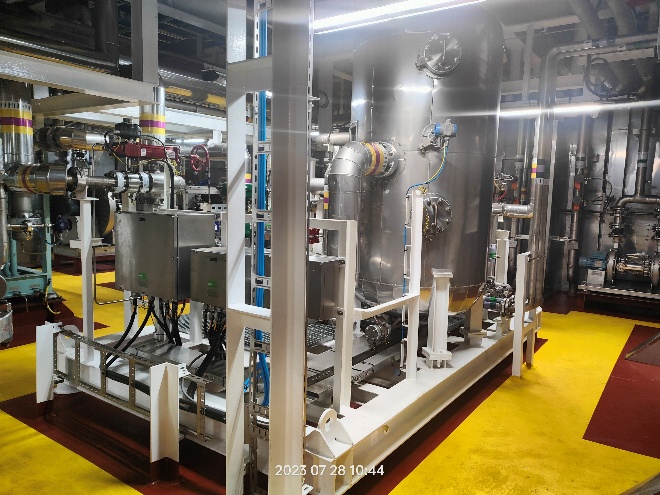
Buffer
The Buffer unit serves as an intermediate storage and stabilization vessel within the process system, helping to regulate flow, pressure, and temperature fluctuations between process stages. By providing a buffering capacity, this equipment ensures smoother transitions and enhances the overall stability and reliability of the system, minimizing the impact of upstream or downstream variability on continuous operations.
Bunker
The Bunker unit is designed to facilitate the safe and efficient transfer of LNG as fuel to vessels, vehicles, or other end-use applications. Engineered to meet strict industry safety standards, the bunkering system incorporates precise flow control, leak detection, and emergency shutdown capabilities to ensure secure LNG transfer operations. This equipment supports the growing demand for LNG as a cleaner marine and transport fuel, enabling reliable, controlled, and low-emission fueling processes while maintaining full compliance with relevant safety and environmental regulations.
IMO C-Type Tank
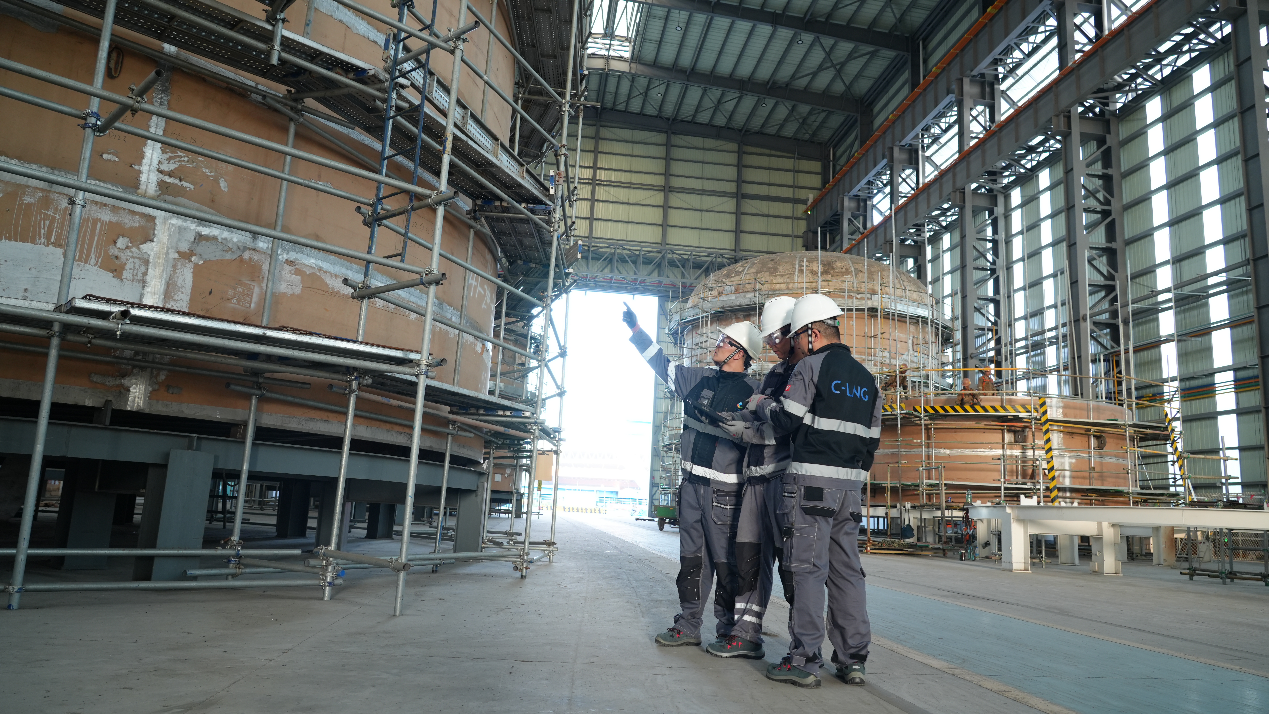
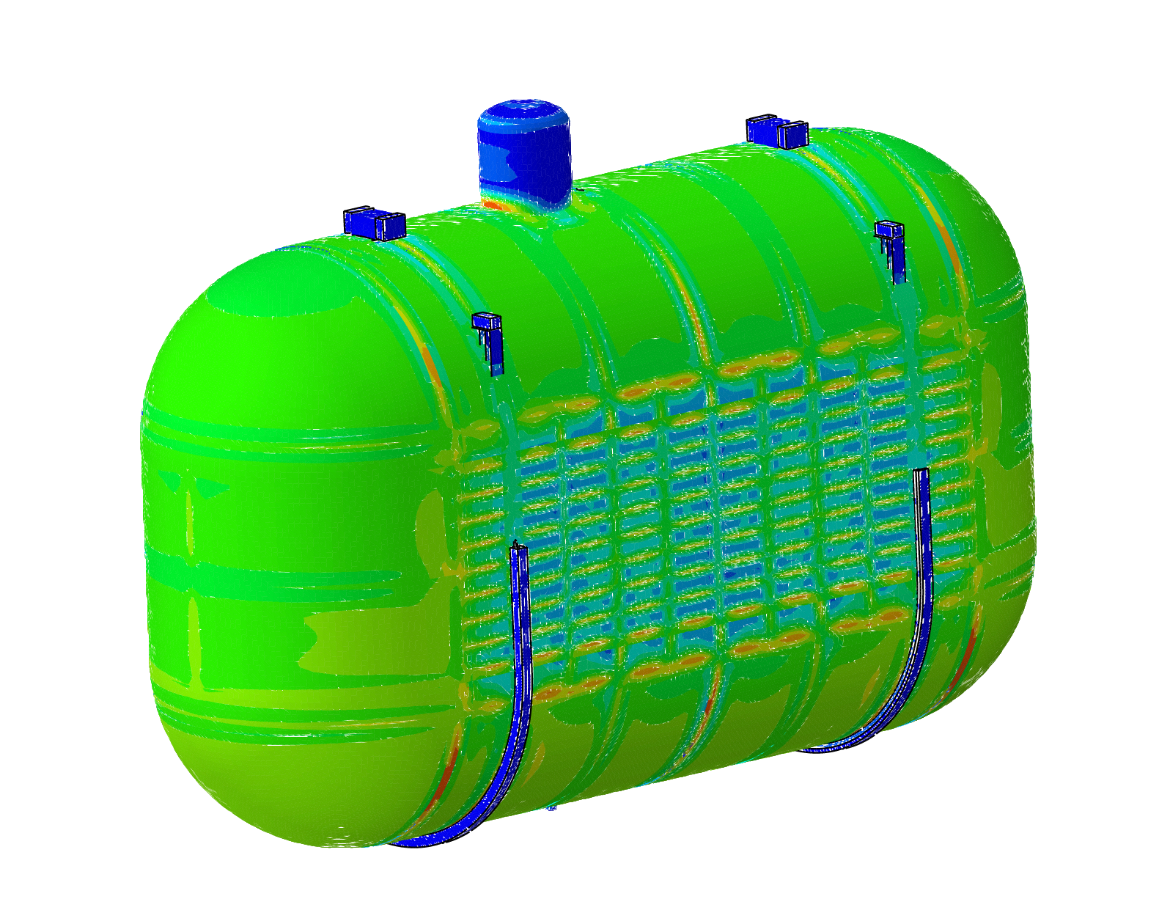
C-LNG consist of a group of C-type tank design experts who used to work in the best C tank manufacturer in China.
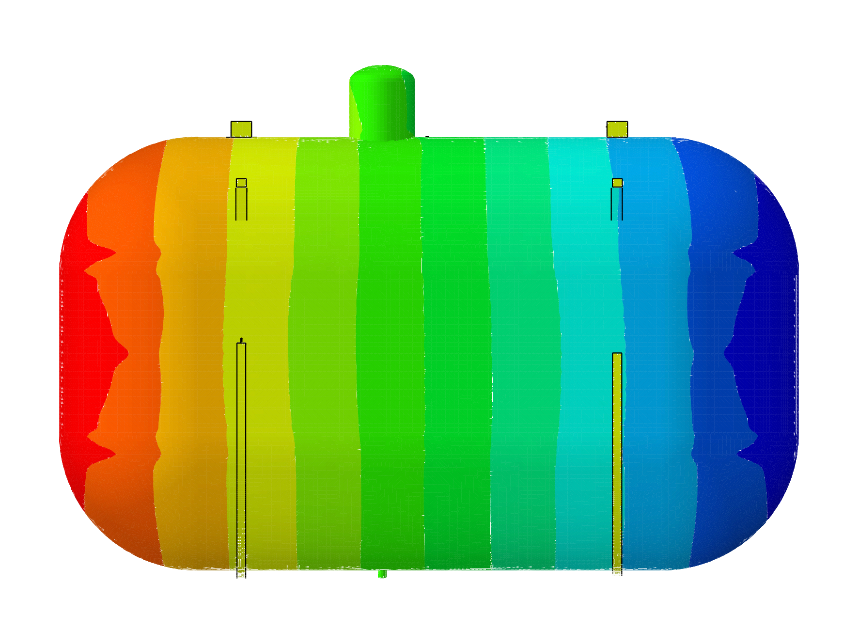
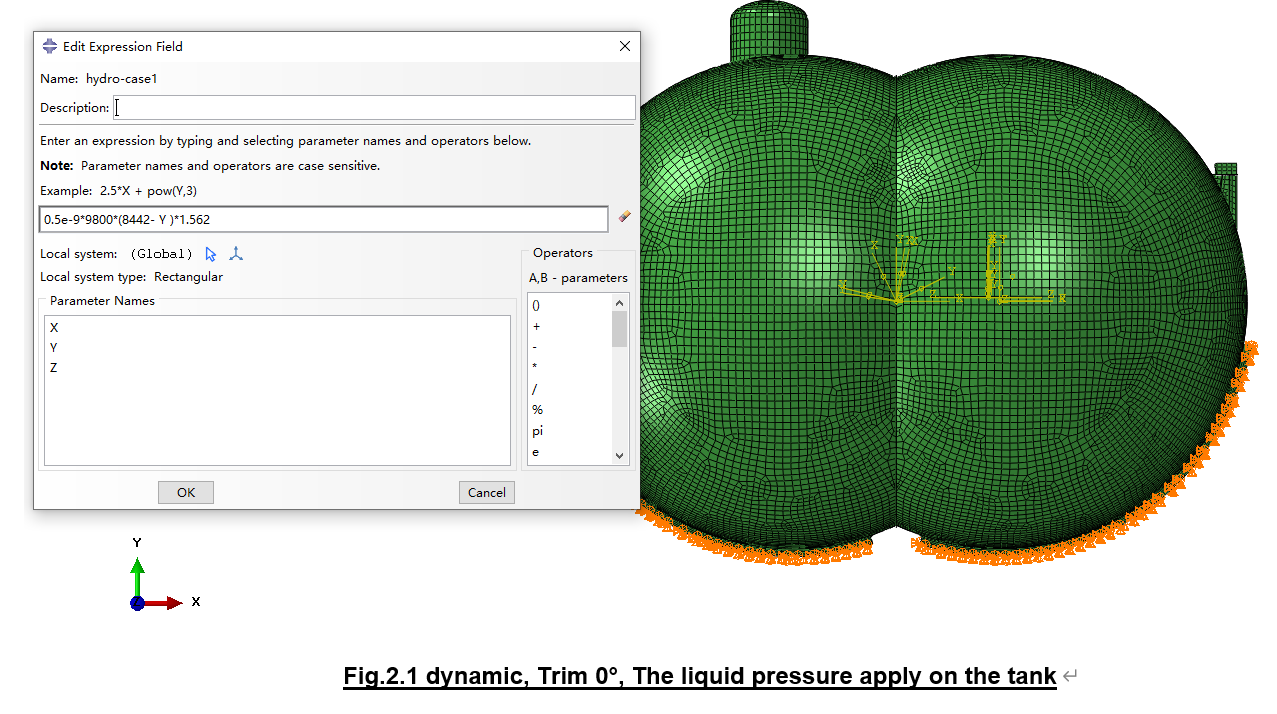
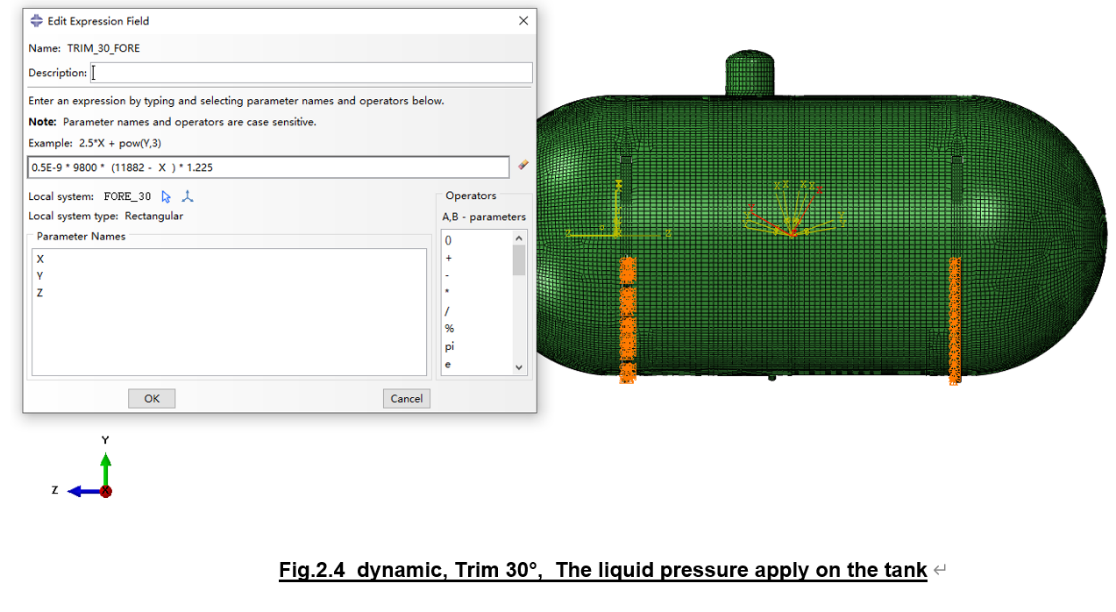
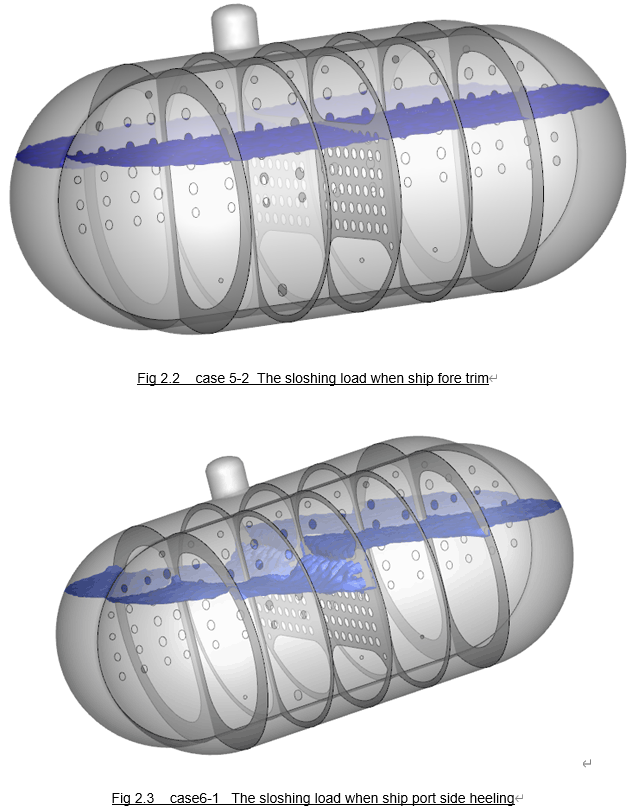
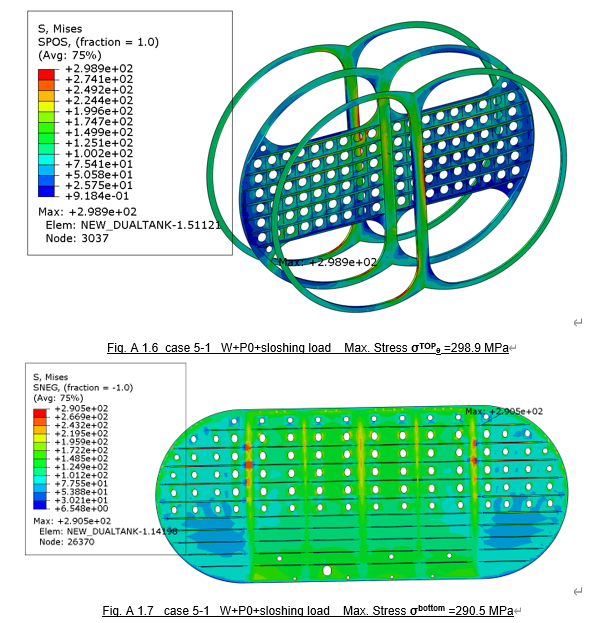
The design basis for C Type independent tanks is based on pressure vessel criteria. The minimum design pressure is intended to ensure that the dynamic stress is sufficiently low so that an initial surface flaw will not propagate more than half the thickness of the shell during the lifetime of the tank.
After study all kinds of marine applied LNG containment system, we believe the C-type tank is the most reliable and economic containment system for FGSS, the company have excised different designs of FGSS based on C-type tank for different size of vessels, especially Ultra large container vessels, up to 24000TEUs.
- Top-Tier Tank Designers in China
- Hold numbers of Type C Tank design patents
- Proven expertise in Type C tank layout and conceptual design
TCS Design
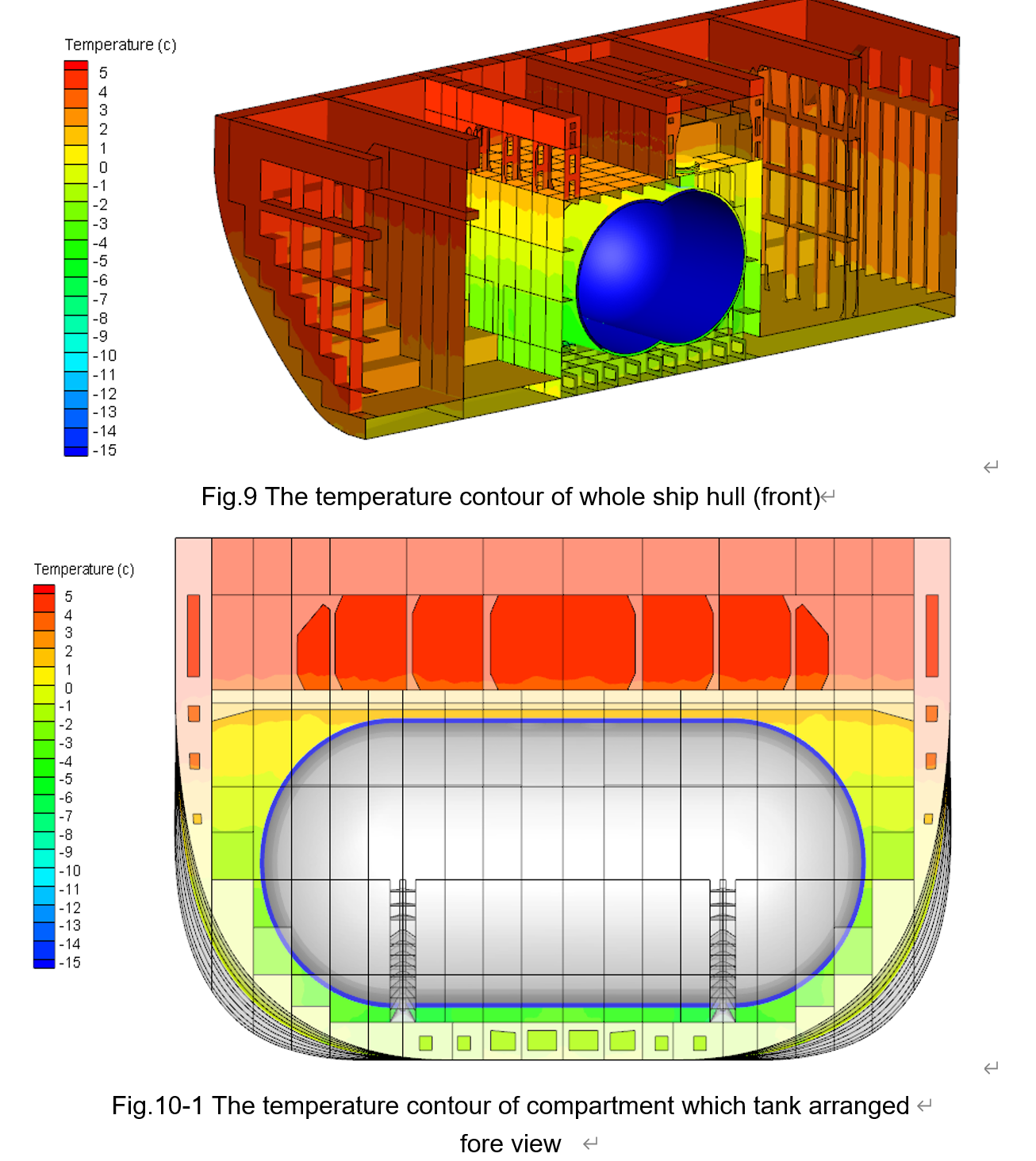
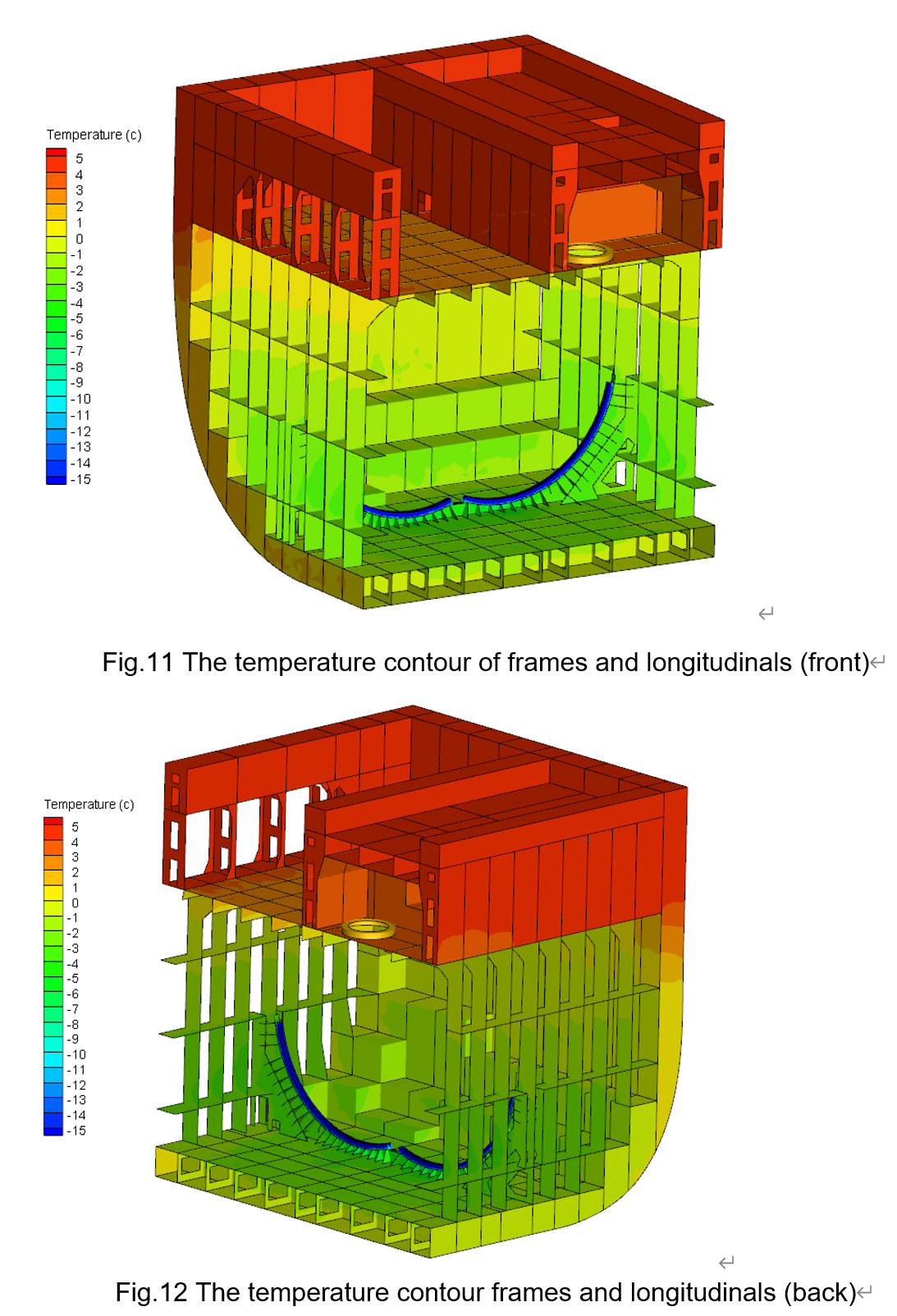
C-LNG will perform Heat Transfer calculation to determine ambient temperature in TCS in the event of leakage
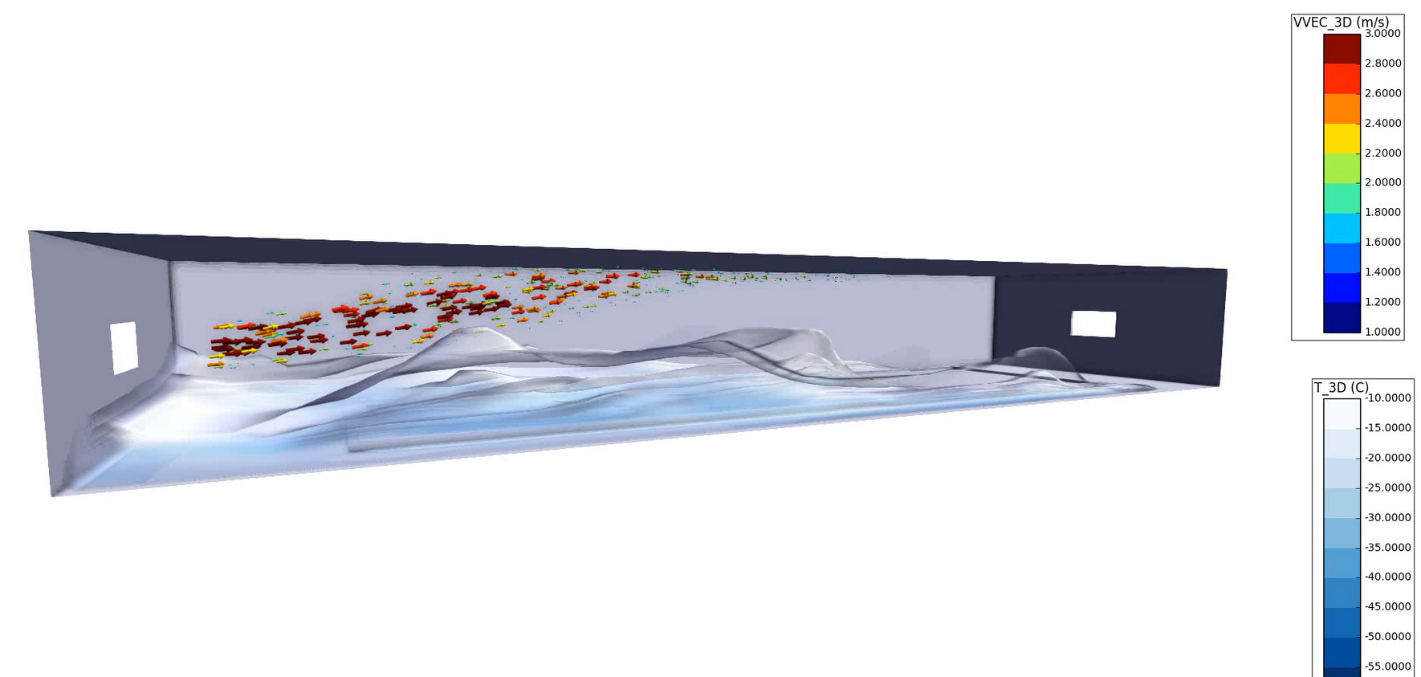
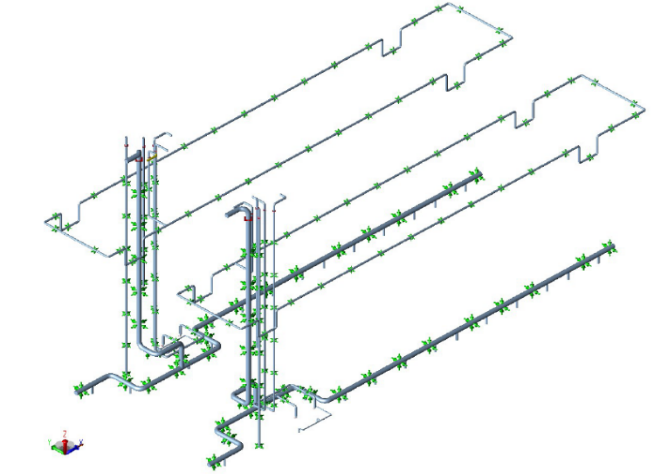
We conduct CFD ventilation simulations and piping strength tests for all connection joints of the TCS cargo tanks. These studies verify ventilation efficiency, provide supporting data for hazardous area classification, and address the dispersion of heavy cryogenic gas.